

JUNE 1, 2026
Aging While Caring
What happens when the caregiver is also aging — and no one is watching out for them?
The Invisible Caregiver
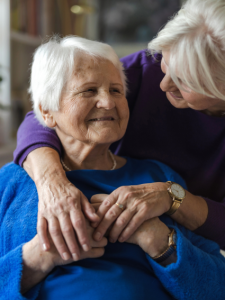 Martha is 74. Her husband, Frank, has Parkinson’s. She helps him dress, bathe, and take his medications. What Martha doesn’t say is that her own knees are giving out. She’s fallen twice this month. Her blood pressure medication ran out ten days ago. She can’t leave Frank alone to pick it up.
She’s the caregiver. But she’s also an older adult who needs care herself.
The Silent Decline
Nearly one in four family caregivers is over 65. Many are over 75. These caregivers face a double bind: they are physically declining while performing demanding tasks like lifting and bathing. Meanwhile, everyone asks, “How is your husband doing?” No one asks, “How are you doing?”
The most dangerous pattern is silent decline. The caregiver ignores their own fatigue and pain. Their health worsens unnoticed. Then a mistake happens—a missed medication, a fall while lifting. Suddenly, both people end up injured. Aging caregivers actually have higher mortality rates than non-caregivers their same age.
How to Protect Both of You
Get your own checkup. Ask someone to sit with your loved one for two hours. See your doctor. Fill your prescriptions. This is not optional.
Audit your home for two sets of risks. Remove throw rugs. Add nightlights. Install grab bars. Add a raised toilet seat and shower chair to save your knees.
Stop lifting. If you have back or knee pain, get a mechanical lift or hire an aide for transfers.
Use respite care regularly. Even four hours a week gives your body a break. Call agencies like Winter Growth, which offers Adult Medical Day Programs and overnight respite care at their Olney and Columbia locations.
Install emergency response for both. Medical alert watches with fall detection—one for you, one for your loved one.
Pre-plan your own emergency. Write down who will care for your loved one if you are hospitalized. Tape it to the fridge.
Ask for help directly. Say: “I want us both to stay home. But I am struggling. What help can you give me—not just for her, but for me?”
The Truth
If you are an aging caregiver sharing a home with a loved one, here is the truth: You are both aging. You both need support. You both deserve to be safe.
Start by telling one person the whole truth about how you are doing. That conversation could save two lives. Including yours.
Enjoy the article? Be sure to Subscribe to Winter Growth’s Live Joyfully Blog to receive a notification when new posts are available!

Winter Growth’s founder dreamed of creating a community where seniors and adults with disabilities could continue to learn and grow – filling their lives with joy and purpose. For over 45 years, we have fulfilled her vision by providing unique, affordable Assisted Living, Memory Care, and Adult Medical Day Care tailored to our clients’ individual abilities, interests, and lives.